A thermographic survey is an infrared building inspection that uses heat patterns to uncover problems you can’t see, like electrical hot spots, air leaks, or moisture behind walls.
For commercial buildings, a thermographic survey is one of the fastest ways to prevent downtime and protect your most expensive assets.
Our Facilities Management and Maintenance team uses thermography as part of a forward-looking maintenance strategy for businesses across the Southeast.
In the sections ahead, we’ll cover the fundamentals of thermal imaging and how to use these findings to plan smarter maintenance and repairs.
What Is a Thermographic Survey and How Does It Work?
A thermographic survey is an infrared building inspection that uses thermal cameras to pick up temperature differences on walls, equipment, and building surfaces. Those temperature patterns reveal hidden problems that your team can’t see during a normal walk-through, such as:
- Where energy is leaking
- Where equipment is overheating
- Where moisture may be starting to spread
In simple terms, it allows you to “see” problems before they interrupt operations.
Why Is Thermography Used in Commercial Buildings?
Because it’s completely non-contact and non-destructive, you can run a thermographic scan during normal business operations. That’s why facility teams rely on it for electrical systems, Heating, Ventilation, and Air Conditioning (HVAC) components, roofs, insulation, and moisture checks.
If something is too hot, losing energy, or taking on water, a thermographic survey will usually spot it long before it becomes a shutdown.
How Do Infrared Cameras Capture Heat Patterns During a Building Scan?
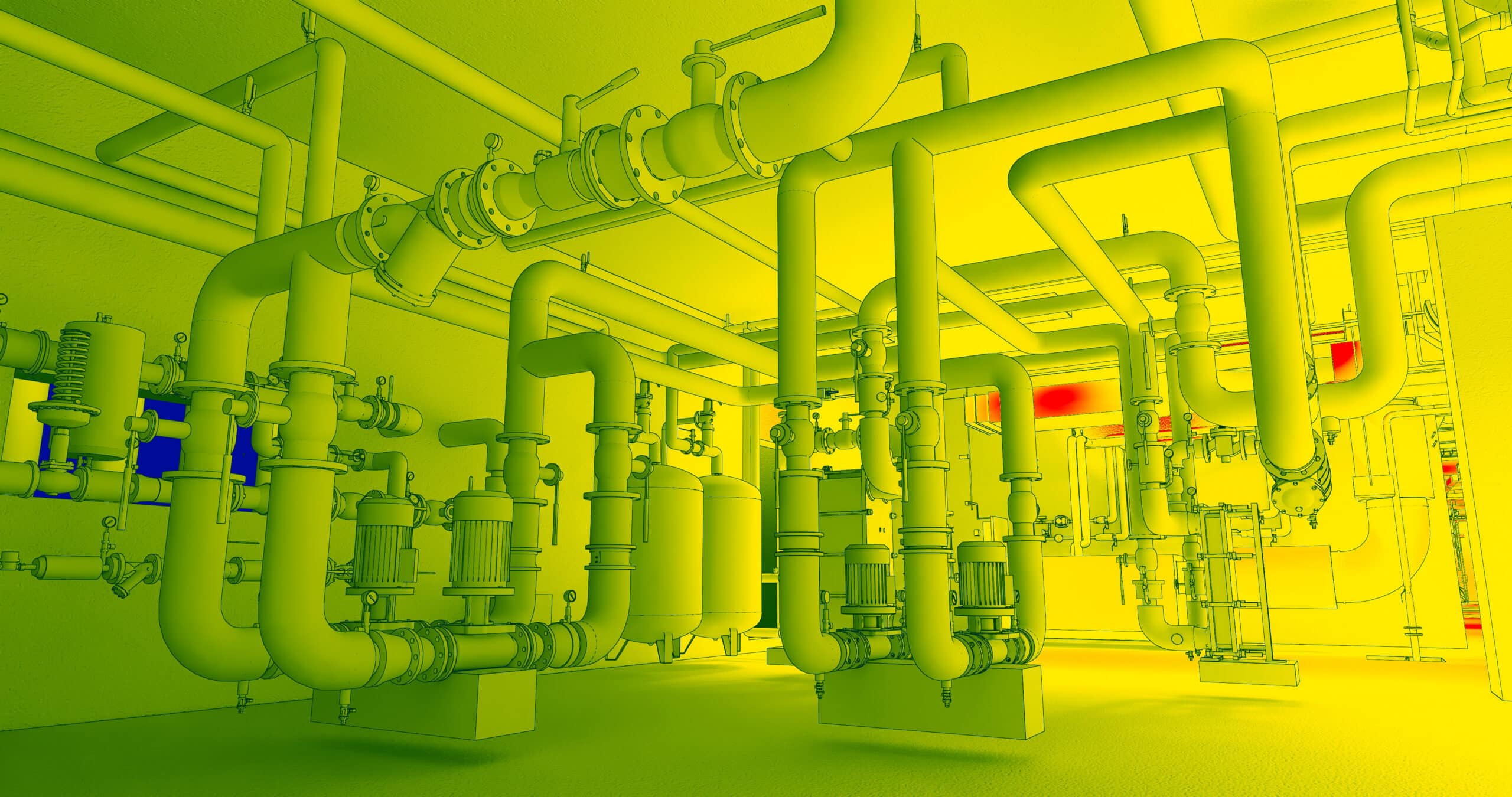
Infrared cameras translate surface temperatures into color-coded images that highlight warm and cool zones across a building. A trained thermographer can read those patterns and understand what’s happening beneath the surface.
During a building infrared scan, we typically review:
- Electrical panels and breakers
- Roof areas where moisture may be collecting
- Walls or ceilings with insulation or air-leak issues
- Heating, Ventilation, Air Conditioning, and mechanical equipment showing early signs of stress or overheating
These images give a clear map of where attention is needed.
Why Do Temperature Differences Matter in a Thermographic Survey?
Thermal contrast is what makes a building’s infrared scan effective. The greater the difference between two temperatures, the clearer the underlying issue appears in the image.
Thermographic inspections on the building envelope (scans of walls, windows, doors, roofs, and insulation) work best when indoor and outdoor temperatures differ by about 20°F (11°C).
That temperature “spread” helps expose issues such as:
- Insulation gaps or thin spots
- Air leaks around openings or penetrations
- Moisture paths moving through walls or roof layers
When this contrast is strong enough, these problems show up clearly on a thermal image, making them much easier to pinpoint and repair.
What Conditions Are Needed for an Accurate Thermographic Survey?
Good results depend on a good setup. Thermographers typically need:
- Electrical equipment operating under normal load
- Envelope scans scheduled during cooler mornings or evenings
- Clear, safe access to roofs and mechanical rooms
- Qualified personnel to open energized equipment
When these conditions are met, the thermal images will be clearer and far more useful for planning repairs or maintenance.
What Can Thermographic Surveys Detect?
A thermographic survey reveals:
- Electrical hot spots
- Insulation gaps
- Air leaks
- HVAC failures
- Moisture intrusion
- Roof leak paths
In our experience, many of these problems go unnoticed until they disrupt operations or damage the building (which is why thermal imaging for buildings is such a valuable tool for facility teams).
A building infrared scan gives you a head start by showing where problems are forming, long before they show up on a work order or trigger a shutdown.
Electrical Hot Spots
Electrical problems are some of the first issues a thermographic survey will flag because abnormal heat patterns show up immediately.
Common findings include:
- Breakers or fuses running hotter than they should
- Loose or failing terminations
- Imbalanced phases on electrical panels or MCCs
These warnings point to conditions that can lead to unexpected equipment trips or, in the worst case, a building fire.
Insulation Voids and Air Leaks
Thermography is extremely helpful for identifying weak spots in your building envelope by highlighting insulation gaps, air leaks, and duct leakage.
Typical problem areas include:
- Walls with missing or compressed insulation
- Doors, windows, and wall penetrations where conditioned air escapes
- Duct joints or seams losing heating or cooling
- Structural members that act as thermal bridges
These issues raise costs and frustrate tenants, often without a clear cause. Unsealed ductwork and air leaks account for 33% of energy loss in commercial buildings, which puts pressure on budgets and HVAC equipment.
A thermographic survey highlights the exact spots where energy escapes, helping your team address the problem quickly and effectively rather than guessing.
HVAC Component Failures
Mechanical equipment also tells a story through heat.
A thermal image can reveal:
- Bearings that are running too hot
- Compressors that are beginning to fail
- Belt or pulley alignment issues
- Uneven temperatures in ductwork or diffusers
Finding these issues early helps reduce after-hours service calls and keeps comfort complaints off your desk.
Moisture Intrusion and Roof Leak Paths
Moisture is one of the most expensive problems a commercial building can face, and it rarely follows a straight path.
Thermography helps locate:
- Wet insulation hiding beneath the roof membranes
- Moisture spreading horizontally inside ceilings
- Water infiltration behind walls or around penetrations
Even when the ceiling stain is in one spot, the actual entry point may be several feet away.
Infrared makes it easier to narrow the investigation area so the right contractor can fix the root cause faster.
This is where we really excel in supporting facility teams. Our specialists help interpret thermographic findings and coordinate follow-up work across HVAC, electrical, and plumbing, so issues are resolved quickly rather than bouncing between vendors.
When and Why Should You Schedule a Thermographic Survey?
A thermographic survey is worth scheduling when you want clear answers about what’s happening inside your building.
We especially recommend it when it’s tied to a specific maintenance cycle or event:
- During annual preventive maintenance
- For real estate due diligence
- Alongside energy audits
- After repair work is completed
These are the moments when thermal imaging gives you the most accurate picture of electrical performance, insulation health, HVAC condition, and potential moisture issues.
The timing matters because the right conditions make the scan more revealing, helping you plan repairs, budgets, and long-term capital planning with confidence.
Annual Preventive Maintenance Inspections
Most facilities get the best results by making thermography part of their yearly preventive maintenance routine. When equipment is running under normal load and the building is occupied, infrared imaging highlights the problems that matter most.
During these inspections, the thermographer and facility team typically review:
- Main electrical panels and switchgear
- HVAC motors, compressors, and bearings
- Areas of the building envelope with known wear or temperature swings
The financial side is compelling too. A thermal scan can uncover opportunities to lower energy consumption by as much as 15%, depending on what you fix.
For buildings with large utility bills, that kind of improvement can pay for the survey several times over.
Pre-Purchase or Lease Due Diligence
If you’re acquiring a new property or signing a long-term lease, a thermographic survey can reveal issues a normal inspection might miss. Hidden electrical hot spots, moisture inside walls, or insulation gaps often don’t surface until after the papers are signed. Scanning before the deal gives you leverage, clarity, and fewer unpleasant surprises once you take control of the building.
Energy Audits and Sustainability Assessments
Thermal imaging fits naturally into energy audits and sustainability planning by helping you see:
- Where heat is escaping
- Where conditioned air is leaking
- Which areas of the building aren’t performing efficiently
These findings support utility rebate programs, company-wide sustainability targets, and any effort to reduce tenant hot-cold complaints.
Instead of guessing where to invest, you can target the exact spots that will make the biggest impact.
Post-Repair Verification or Warranty Follow-Up
After major repairs or warranty work, a thermographic survey verifies that everything is working as intended. It’s a simple way to confirm that an electrical upgrade is running cool, an insulation repair is holding up, or a moisture issue has truly been resolved.
The Next Step: Applying Thermographic Findings to Your Building
A thermographic survey is one of the smartest ways to spot problems early, and partnering with us makes it easier to turn those findings into practical next steps.
Our team helps you understand what the infrared building inspection reveals and what needs to happen next to keep your facility running smoothly.
It’s a simple process:
- Identify what’s going on
- Prioritize the risks
- Coordinate the right repairs
Because we provide HVAC, electrical, mechanical, and plumbing services under one roof, you don’t have to juggle multiple vendors or wonder who handles what. We move quickly from detection to correction.
Curious what a thermal image would reveal about your biggest maintenance blind spots? If you’re in Tennessee, Kentucky, Alabama, or Georgia, request a thermographic survey with our team and find out.
Frequently Asked Questions
How long does a commercial thermographic survey take?
Most thermographic surveys take 1-3 hours. The exact time depends on the size of the building, how many systems are being scanned, and how accessible the equipment and envelope areas are during the inspection.
Is thermography safe around electrical systems?
Yes, thermography is safe when performed by trained personnel. It’s a non-contact method, so the thermographer never opens walls or touches energized components; they simply capture heat patterns while the equipment operates under normal load.
Do thermal cameras detect mold directly?
No, thermal cameras cannot see mold itself. They detect temperature differences that often point to moisture, which is a common condition where mold may form. A moisture meter or further inspection can confirm the exact cause.
Can thermography replace a full energy audit?
No, but it’s one of the most valuable tools used during an audit. A thermal scan pinpoints air leaks, insulation gaps, and heat loss so the audit team knows exactly where to focus improvement efforts.
How often should a building be scanned?
Most facilities benefit from a thermographic survey once a year. Annual scans catch changes in electrical load, insulation performance, HVAC behavior, and moisture patterns before they become disruptions or expensive repairs.