Whole-home surge protection is more important in modern homes because power surges happen more often than most homeowners think.
A surge is simply a brief burst of extra voltage running through your wiring. When that happens again and again, it slowly wears down things like refrigerator control boards, HVAC components, and the smart devices you depend on every day. Anything that relies on a delicate circuit board is vulnerable.
Here’s what you should know about surge protection before the next spike hits.
What Is an Electrical Surge?
An electrical surge is a brief spike in voltage above the standard 120 volts your home is designed to handle.
Here’s what happens inside your system:
- Power enters your home at a steady 120 volts.
- Appliances draw electricity as needed.
- A sudden load change causes the voltage to jump.
- The spike travels through the wiring in milliseconds.
Milliseconds may not sound like much, but to a sensitive circuit board, it’s enough.
Voltage spikes above 120 V AC can degrade wiring insulation and electronic circuitry even when no immediate damage is obvious. Control boards weaken, connections overheat, and eventually something expensive stops working.
As one of our senior electricians puts it:
“We almost never walk into a house where one giant surge took everything out. What we see is small surges happening over and over. They weaken the appliances until one day they just don’t come back on.”
Electrical panel surge protection intercepts those surges before they spread, reducing the long-term strain on your system.
How Often Do Power Surges Actually Happen?
The average home can experience more than 150 surges per month. That surprises many homeowners because they don’t even realize it’s happening.
Most are small, quick voltage jumps that pass through your wiring without you knowing. You don’t see sparks. There’s no breaker trip. It’s just another tiny hit your electronics have to absorb.
| Surge Source | Frequency | What It Affects | Risk Level |
| Appliance cycling (HVAC, fridge, dryer) | Daily | Control boards, outlets | High (cumulative wear) |
| Power restoration after an outage | Occasional (storm-related) | Panels, breakers, electronics | High (sudden stress) |
| Nearby lightning strike | Seasonal | Major appliances | Moderate to high |
| Direct lightning strike | Rare | Whole system | Severe but uncommon |
Now layer in Southeast weather. Here, we experience afternoon thunderstorms, summer lightning, and ice storms that knock out power for hours.
When electricity is restored after an outage, your system can experience additional stress.
Ever notice something acts “off” after the power comes back? That’s not your imagination.
Whole home surge protection is designed to protect your home against that constant strain, not just the once-in-a-lifetime lightning strike.
Where Do Most Electrical Surges Come From?
80% of electrical surges start inside your home, primarily from everyday appliances turning on and off. Common causes include:
- HVAC systems cycling during hot Southeast summers
- Refrigerators and freezers running throughout the day
- Washers and dryers starting up
- Electric water heaters reheating
- Garage door openers and pool pumps
Storms get the blame, but your own equipment does most of the damage.
Each time a motor starts, it creates a brief load shift. Voltage rises for a split second, then settles. That spike moves through your wiring whether you notice it or not.
Lightning is dramatic. Internal surges are routine.
Electrical panel surge protection helps guard your entire system against those daily spikes, reducing the steady buildup of power surge damage before it turns into an expensive repair or early replacement.
Do Storms Still Matter If Most Surges Are Internal?
If 80% of surges start inside your home, why do electrical problems spike after storms? Because storms introduce a different kind of stress.
Across thousands of homes we service in the Southeast, electrical calls consistently rise after major weather events.
During a recent severe winter storm, our affected service areas experienced a 300% increase in electrical service calls compared to the weeks before.
That level of jump is not typical. After most storms, we usually see a 5 – 30% increase in electrical service calls compared to normal weather periods.
What Changes During a Storm
- Long power outages
- Sudden power restoration
- Multiple systems restarting at once
When electricity comes back, restoration surges can send a rush of voltage through the panel. HVAC units, refrigerators, and water heaters all pull power at the same time.
If something was already stressed, that’s when it fails. That’s why it’s so important to protect your home from the weather.
What We See After the Power Comes Back On
Based on our internal service data, the most common post-storm issues are:
- Power outages or partial power loss
- Generator issues
- Breakers that won’t reset
- Panel damage
- Water inside electrical components
That’s why whole-home surge protection matters. It protects from both those daily internal spikes and the heavier shock that follows a storm.
What Is a Whole Home Surge Protector?
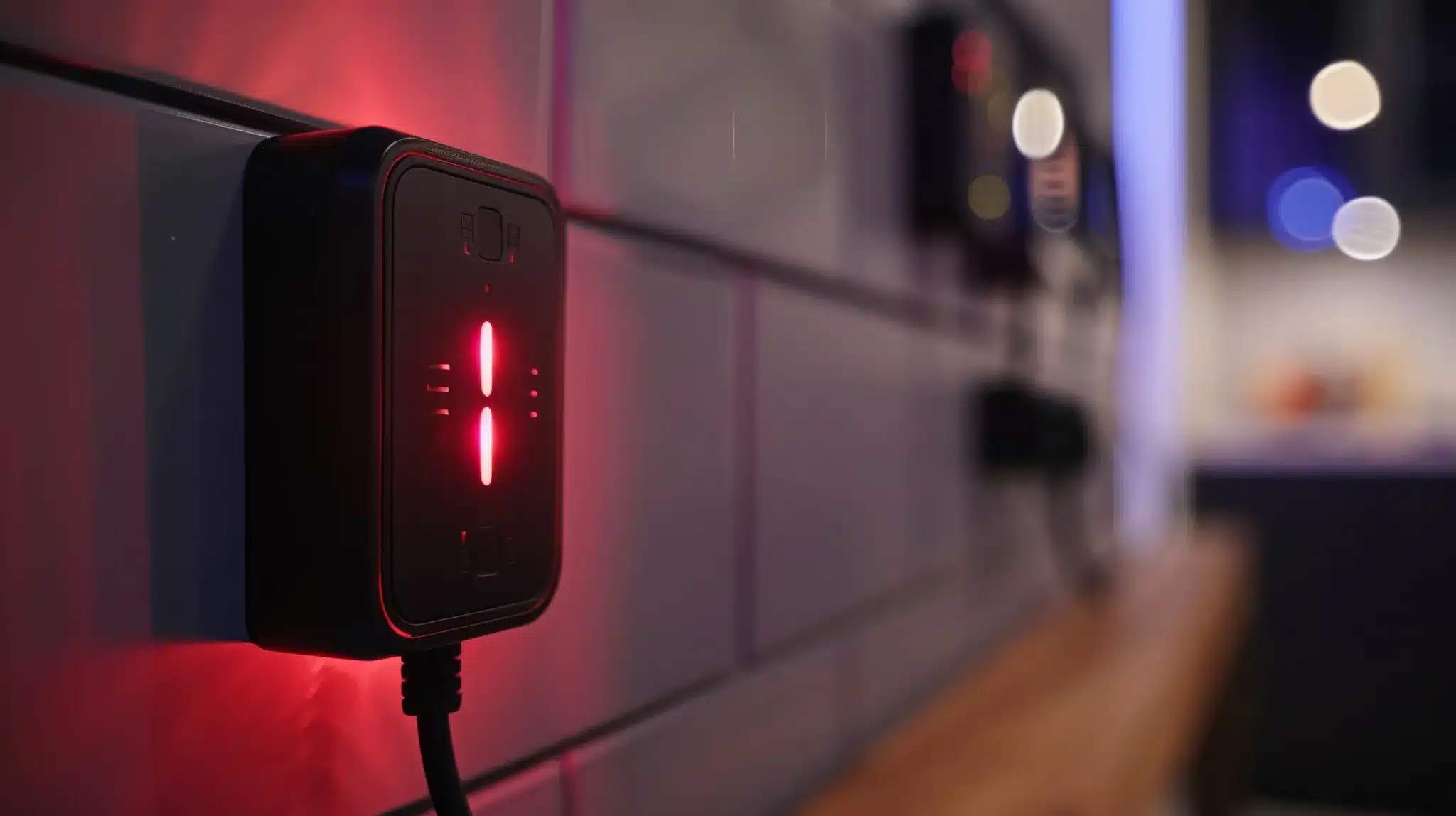
Whole home surge protection is a surge protective device (SPD) installed at your electrical panel that blocks or redirects excess voltage before it reaches the circuits inside your home.
Instead of protecting one outlet at a time, an SPD is installed at the main panel and protects the entire system and everything connected to it (HVAC, refrigerator, washer, garage door, etc.).
When a surge hits, the device:
- Recognizes the spike
- Limits the voltage
- Redirects the excess voltage safely into the grounding system where it can’t cause harm
In 2020, the National Electrical Code began requiring surge protective devices in new residential panels. That update happened because homes now rely on so many sensitive electronics everywhere.
Older homes don’t have this protection unless it’s been added later.
Before any surge protector installation, our licensed and insured technicians evaluate grounding and panel capacity to make sure everything is compatible. Installed correctly, it gives your entire system a buffer against the voltage swings your home experiences every day.
Are Power Strips Enough?
Power strips are point-of-use devices, so they only protect whatever is plugged into them. That limited coverage isn’t enough to protect your entire home from electrical surges.
Whole home surge protection works at the level of your electrical panel (the hub that feeds power to your entire house) and protects every circuit before a spike spreads.
A basic power strip does not protect:
- Your HVAC system
- Your refrigerator or freezer
- Your washer and dryer
- Hardwired appliances
- Your electrical panel itself
There’s another issue most homeowners don’t realize: power strips wear out.
After absorbing a few spikes, their internal components degrade. They may still power your devices, but the protective feature can stop working.
Electrical panel surge protection covers the entire system at the source, helping reduce power surge damage before it reaches all your expensive appliances and electronics.
Signs You May Need Electrical Surge Protection
- Lights dimming or flickering
- Breakers that suddenly won’t stay reset
- Smart thermostats or security cameras glitching
- Appliances needing repairs sooner than expected
- An aging electrical panel
- Problems starting after a storm outage
In the Southeast, power outages followed by sudden restoration are common. If something “acts weird” after the power comes back, that’s often a warning that surges are causing stress to your system.
Homes packed with smart devices and older panels are especially vulnerable.
If you’re seeing these patterns, it’s worth having a licensed electrician inspect your system. They can help you decide whether whole-home surge protection makes sense.
Not sure what that involves? Here’s what to expect during an electrical inspection.
How to Protect Your Home from Electrical Surges
- Confirm your panel’s age. Older panels often lack modern protection and may not meet current standards.
- Use surge strips as temporary protection. They help at outlets for things like TVs and computers, but they’re limited to whatever is plugged into them. Replace them every few years since they wear out.
- Watch what happens after outages. If breakers trip, devices malfunction, or something doesn’t restart correctly, your system may be damaged.
- Make sure your grounding system is in good shape. If your home’s grounding system isn’t in good condition, surge protection doesn’t have a safe path to send that extra voltage.
You should not remove your panel cover and attempt electrical surge protection yourself.
Grounding must be correct for protection to work, and mistakes inside a live panel can create serious hazards.
If you want coverage for your entire system, whole-home surge protection installed by a professional electrician is the safest and most effective option.
Protect Your Home Before the Next Surge
Power surges don’t just happen during lightning storms. They follow blackouts, brownouts, and routine voltage swings, and they can shorten the life of your HVAC, appliances, and electronics.
The electrical code now requires protection in new panels, which means older homes often need an upgrade.
We’ve been serving the Southeast since 1944. Our licensed electricians provide whole-home surge protection, panel upgrades, and financing options to help you get these important upgrades in place in a way that fits your budget. 14,000+ reviews and a 4.8-star rating back our work.
With Lee Company+, you also get an annual electrical inspection and priority service to make sure your panel stays working the way it should and your home remains protected.
Schedule an inspection today and ensure your home continues running smoothly.
Whole-Home Surge Protection FAQs
How does a whole-home surge protector work?
A whole-home surge protector works by detecting excess voltage at your electrical panel and redirecting it safely into your home’s grounding system. It reacts in milliseconds, limiting the spike before it can travel through your circuits and damage appliances or electronics.
Is whole-home surge protection required by code?
Yes, the National Electrical Code has required surge protective devices in new residential panels since 2020. That means newer homes must include electrical surge protection, while many older homes likely do not have it unless it was added later.
Does a surge protector protect against lightning?
A whole-home surge protector helps reduce damage from nearby lightning strikes, but it cannot guarantee protection from a direct strike. It’s designed to handle most common surges, including restoration surges after storms, which are more frequent. Electrical panel surge protection adds a critical layer of defense during storm season.
How long does a surge protector last?
Most whole-home surge protectors last five to ten years, depending on how many surges they absorb. Frequent storms, outages, and internal load shifts can shorten that lifespan.
What size whole-home surge protector do I need?
The correct size whole-home surge protector depends on your panel capacity and your home’s electrical load. Most homes use a Type 1 or Type 2 surge protective device rated between 40kA and 80kA, which refers to how much surge current it can safely handle. Larger homes, homes with bigger HVAC systems, generators, or lots of electronics may need a higher rating.